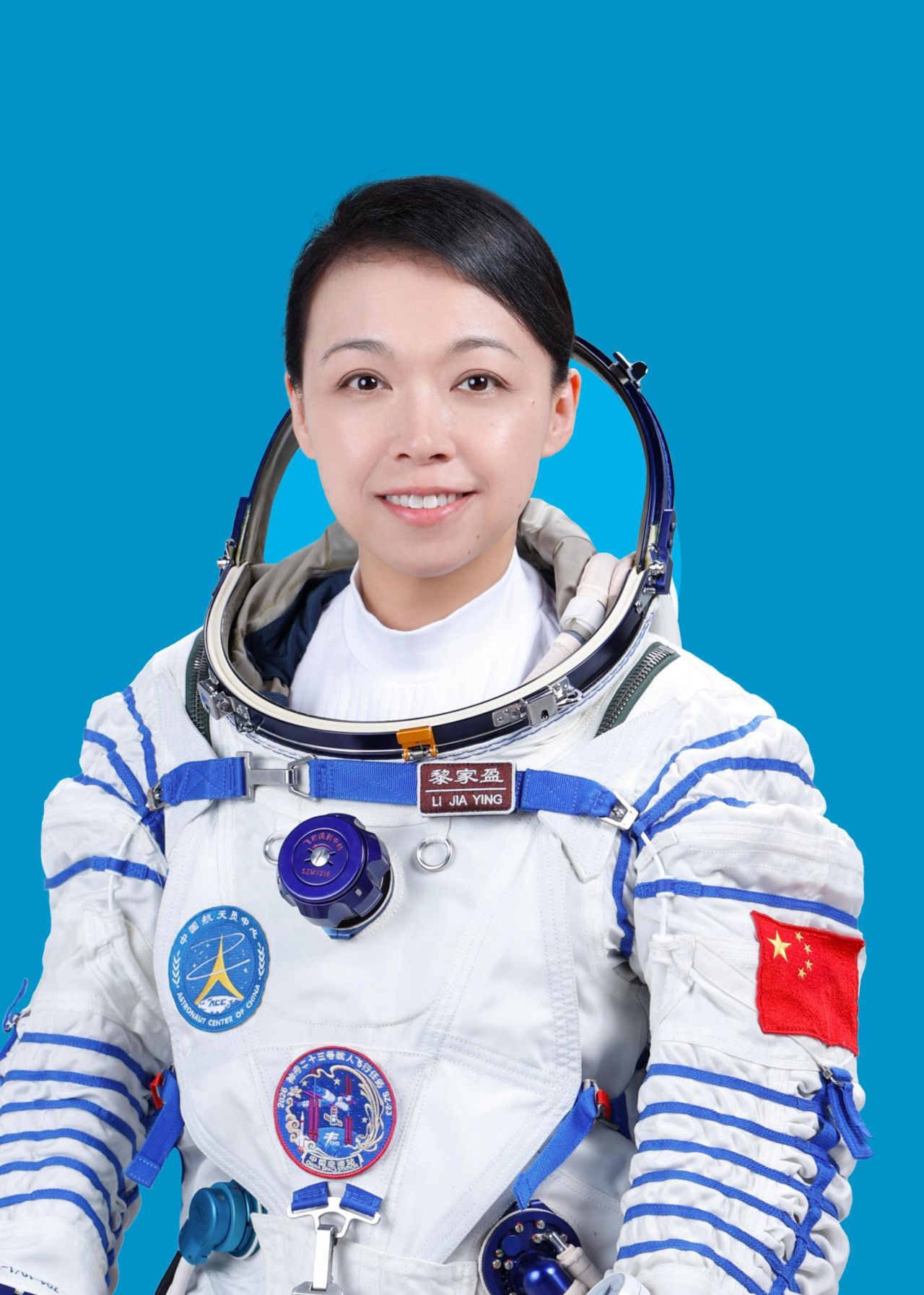
Hong Kong, 23 May 2026 — The Hong Kong Applied Science and Technology Research Institute (ASTRI) warmly congratulates Dr Lai Ka‑ying on her selection as a member of the Shenzhou‑23 crew, serving as a payload specialist in the national crewed space mission. This milestone not only highlights the professional excellence of Hong Kong’s research talent, but also signifies the growing role of local innovation and technology in high-end application scenarios.
Hong Kong’s research community has long been involved in a wide range of space-related projects, spanning lunar exploration, Mars missions, satellite development and space experiments. As local research and development (R&D) capabilities continue to advance towards real-world applications and mission-level deployment, research outcomes are increasingly being translated into impactful technological solutions.
Ir Prof Sunny Lee, Chairman of ASTRI, said: “We are greatly encouraged by Dr Lai Ka‑ying’s participation in a national space mission. This not only reflects the strength of Hong Kong’s research talent, but also demonstrates how our R&D capabilities are advancing toward higher-value application scenarios. As the largest applied R&D institute in Hong Kong, ASTRI is committed to translating research into practical applications and actively exploring opportunities in space-related technologies.”
As space development enters a new phase characterised by longer-duration missions, complex system integration and data-intensive operations, demand continues to grow in areas such as materials science, energy technologies, communications systems, artificial intelligence and life-support solutions. At the same time, with the support of research platforms such as InnoHK, Hong Kong is steadily strengthening its cross-disciplinary, application-oriented innovation capabilities, providing a solid foundation for the deployment of advanced technologies.
Ir Dr Ted Suen, Chief Executive Officer of ASTRI, added: “Space technology spans multiple frontier domains and relies heavily on capabilities in artificial intelligence, data processing and system integration. ASTRI will continue to leverage its strengths in applied R&D and cross-disciplinary integration to enhance technology reliability and real-world applicability, while strengthening Hong Kong’s position in the global innovation and technology landscape.”
In recent years, ASTRI has been advancing R&D in space-related technologies and has built capabilities with strong potential to support key applications, including:
High thermal conductivity carbon-based materials, lightweight structural materials, and coatings capable of withstanding extreme temperature variations, enhancing spacecraft thermal management and structural reliability.
High energy-density batteries, solid-state batteries, and energy storage technologies designed for stable operation in low-temperature environments, supporting long-duration in-orbit and deep space missions.
Antimicrobial materials and wearable health monitoring systems to support long-term astronaut health management and life-support needs during extended missions.
Optimisation of integrated satellite-to-ground 5G/6G communications, development of non-terrestrial network and radio-frequency communication chips, and onboard edge computing technologies to enhance communication efficiency and system autonomy.
On-orbit artificial intelligence, image processing and multi-sensor fusion technologies, combined with LiDAR, dexterous robotic manipulators, and highly reliable, low-latency communication systems, enabling autonomous decision-making and remote operations.
During the mission, Dr Lai Ka‑ying will conduct a range of scientific and applied research experiments. The outcomes are expected to expand the application of research in extreme environments and further accelerate the real-world deployment of innovative technologies.
ASTRI wishes Dr Lai every success in her mission and looks forward to strengthening collaboration with research and industry partners to drive the translation of innovation into impactful applications and to further expand Hong Kong’s role in frontier technology development.
Aligning with National Strategy and Fully Leveraging Applied Research to Accelerate the Development of New Quality Productivity Forces 16 September 2026 – The Hong Kong …

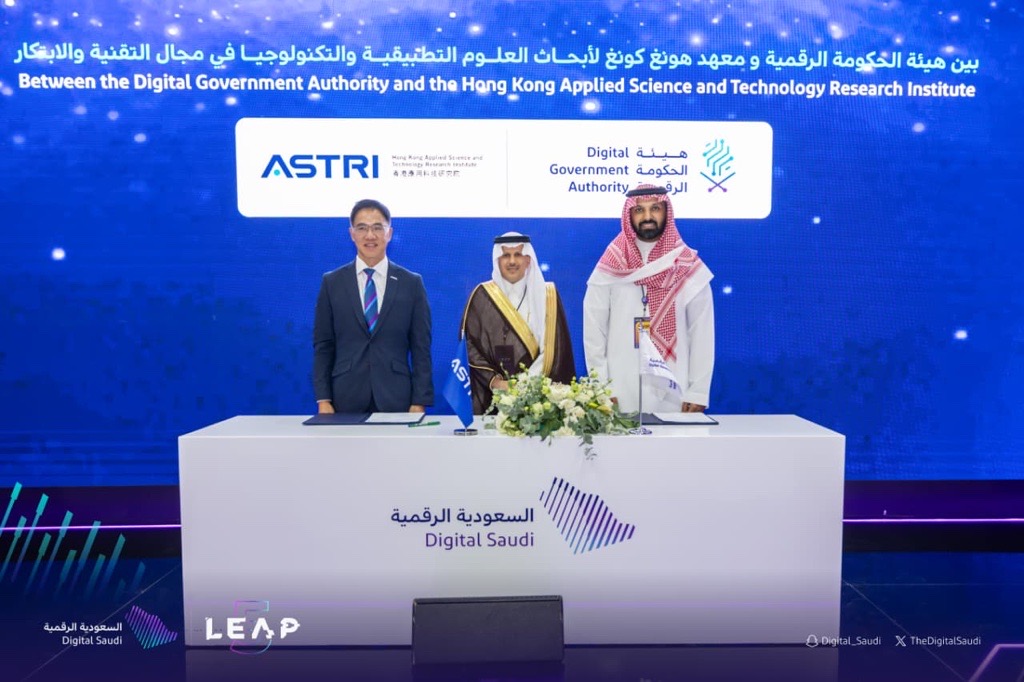
1 September 2026 – The Hong Kong Applied Science and Technology Research Institute (ASTRI) and the Digital Government Authority (DGA) of Saudi Arabia have signed …
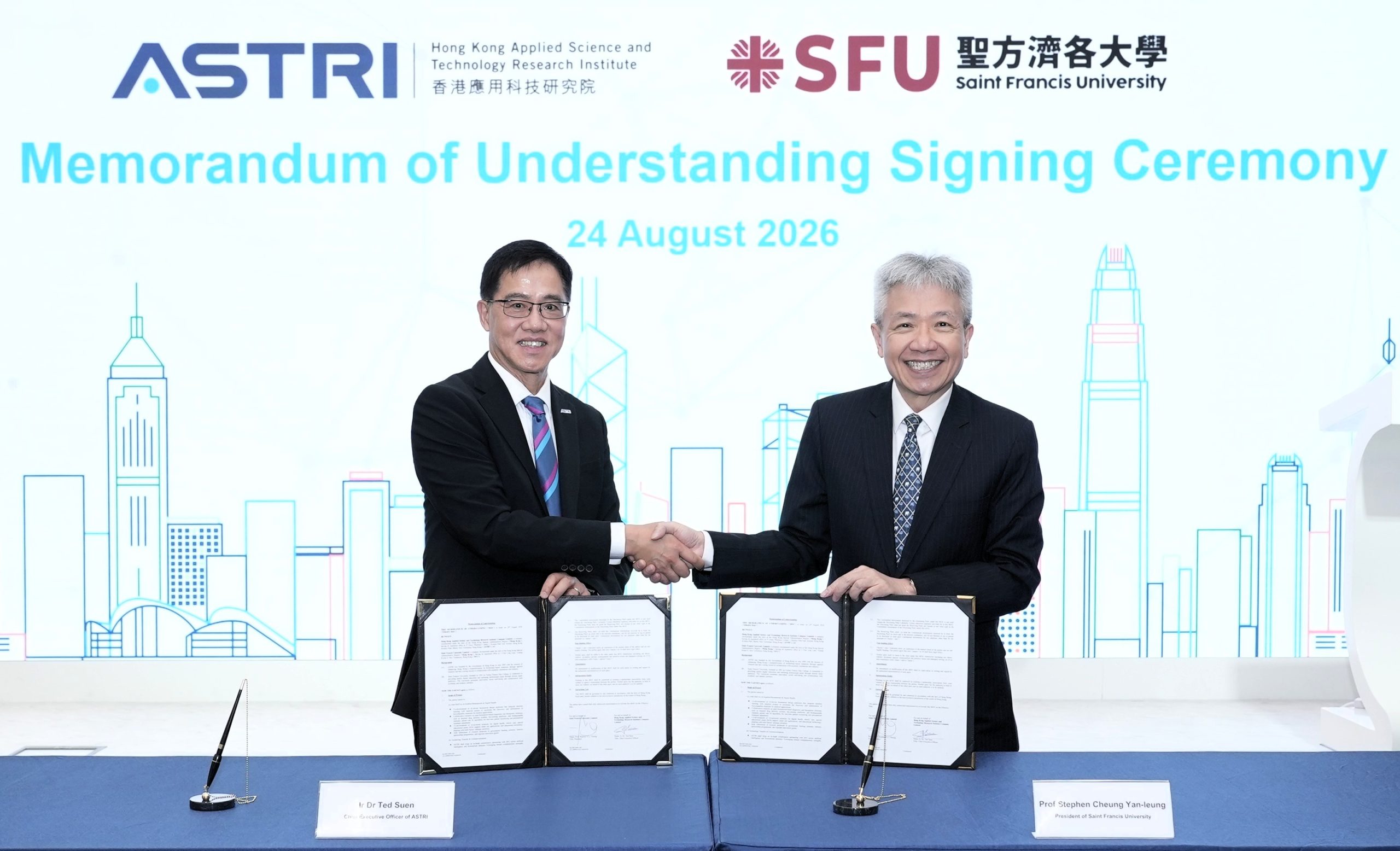
24 August 2026 – The Hong Kong Applied Science and Technology Research Institute (ASTRI) and Saint Francis University (SFU) have signed a Memorandum of Understanding …
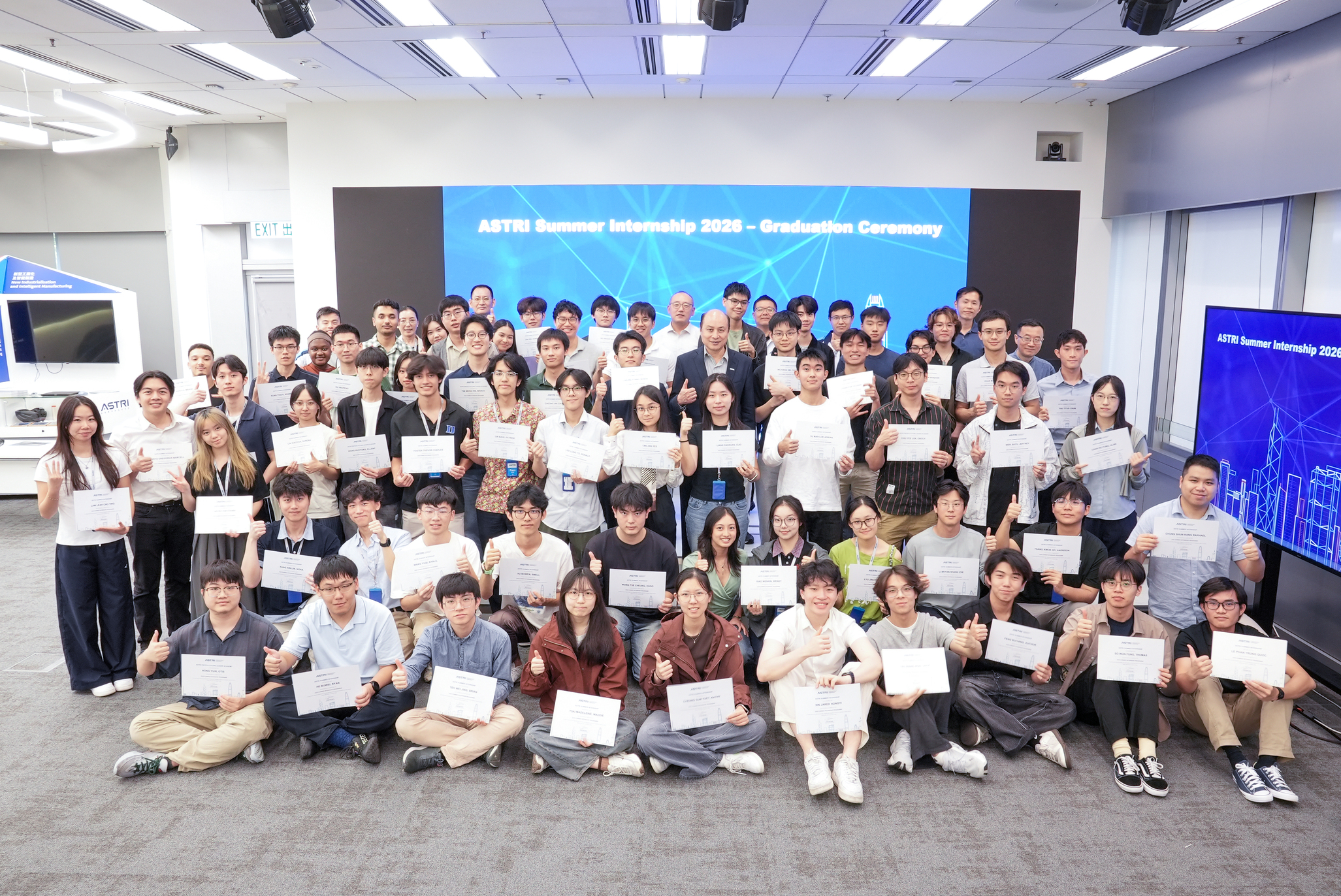
20 August 2026 – The Hong Kong Applied Science and Technology Research Institute (ASTRI) has successfully concluded its 2026 Summer Internship Programme. Over 60 interns …
7 August 2026 – The Hong Kong Applied Science and Technology Research Institute (ASTRI) has achieved a landmark milestone at the prestigious 2026 R&D 100 …