Leading InnovationBreaking Boundaries




Core Application Areas


ASIC & Advanced Electronics
As the first Hong Kong Branch of the National Engineering Research Center for Application Specific Integrated Circuit System (CNERC), ASTRI drives innovation in microelectronics and integrated circuits, developing cutting-edge ASIC solutions and advanced electronics that serve diverse industry sectors.
Digital Health & Life Sciences
ASTRI's solutions integrate artificial intelligence, IoT sensing, advanced materials and biomedical engineering to enable preventative health monitoring, precise medical diagnosis and personalised care across clinical and community settings.
FinTech
As Hong Kong strengthens its position as an international financial hub, ASTRI leverages artificial intelligence, federated learning and blockchain technology to help banks, insurers and financial service providers deliver faster, more reliable and secure services.
Green & ESG Technologies
As Hong Kong is advancing sustainable innovation through Gren and ESG technologies, ASTRI harnesses environmentally responsible materials, circular economy solutions and intelligent analytics to reduce carbon emissions and promote sustainability.
New Energy & Energy Storage
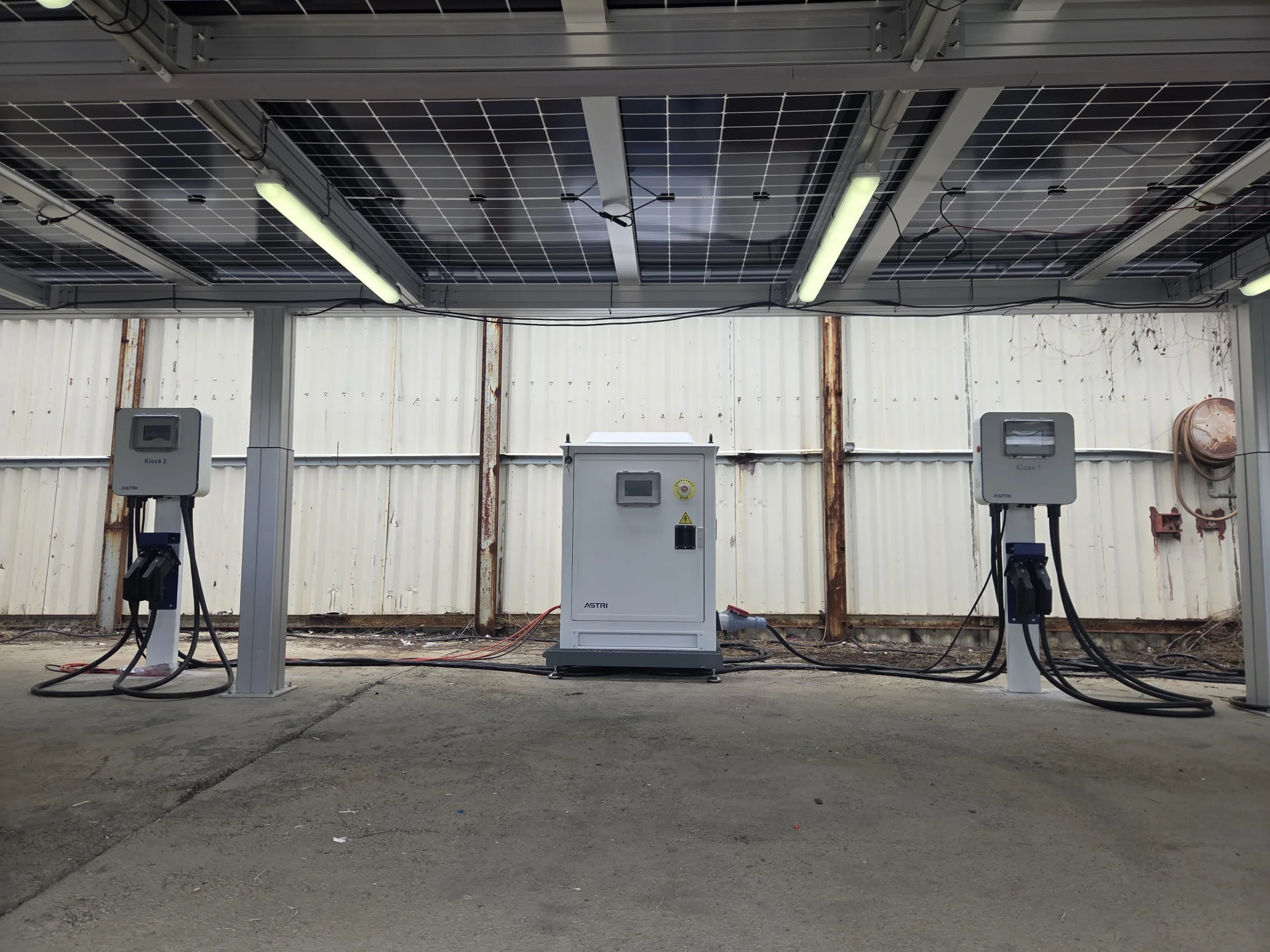
As Hong Kong is positioning itself at the forefront of next-generation energy innovation, ASTRI develops advanced energy technologies spanning energy efficiency, energy absorption and energy generation that transform the way power is produced, stored and utilised.
New Industrialisation & Intelligent Manufacturing
ASTRI is driving the evolution of Hong Kong's manufacturing sector by incorporating artificial intelligence, robotics, next-generation connectivity and advanced materials into intelligent, interconnected operations.
Smart City
As Hong Kong advances towards becoming a leading smart city, ASTRI develops cutting-edge technologies that combine next-generation communications, artificial intelligence, IoT sensing and advanced materials to create a more connected, efficient and livable urban environment.
How We Commercialise Our Technologies
At ASTRI, we turn innovative research into real-world solutions that create impact. We help businesses access and adopt our technologies through licensing, collaborations, and strategic partnerships.

A curated selection of high-potential technologies with strong commercial promise. These innovations are ready for industry adoption across multiple sectors.

ASTRI TechMart opens the door for businesses to access selected cutting-edge technologies from Hong Kong's leading government-funded R&D centre.

Information and Communications Technology



Advanced Materials


Success Stories
Upcoming Events

Company News